
March Through April: Kittens Begin Their Arrival
Planning for Kitten Season is nearly impossible. “You never know when it’s going to start. It will just happen one day in March or April. Someone will bring in a litter of four-day to four-week-old kittens and then off it goes,” says Beth Borts, Admissions Manager at our Portland campus.
At Oregon Humane, we balance our intake between accepting kittens found by community members and offering a second chance to kittens from partner agencies with less capacity to accommodate the rapid influx.
“Many of our partners ask us to take young kittens because they don’t have the foster pool needed to support them. We try and help by taking as many as we are able,” says Coralyn Debow, Admissions Lead at Oregon Humane Salem Campus.
Our Admissions team is the hub that connects all other departments throughout the season and helps balance the increased demand to ensure that our teams still have the capacity to provide top-tier care to all the animals in our shelter.
To try and accommodate the overwhelming need of the season, the Admissions team reviews daily adoption numbers, shelter space, requests for intake, foster availability, and other factors to determine how many kittens we can help each week. It’s a taxing numbers game and at the end of the day, there are often more animals in need than we can accommodate.
To alleviate some of the pressure, the Admissions team collaborates with community members who find kittens—particularly kittens over four weeks of age—providing them with all the supplies and resources needed to care for the kittens at home.
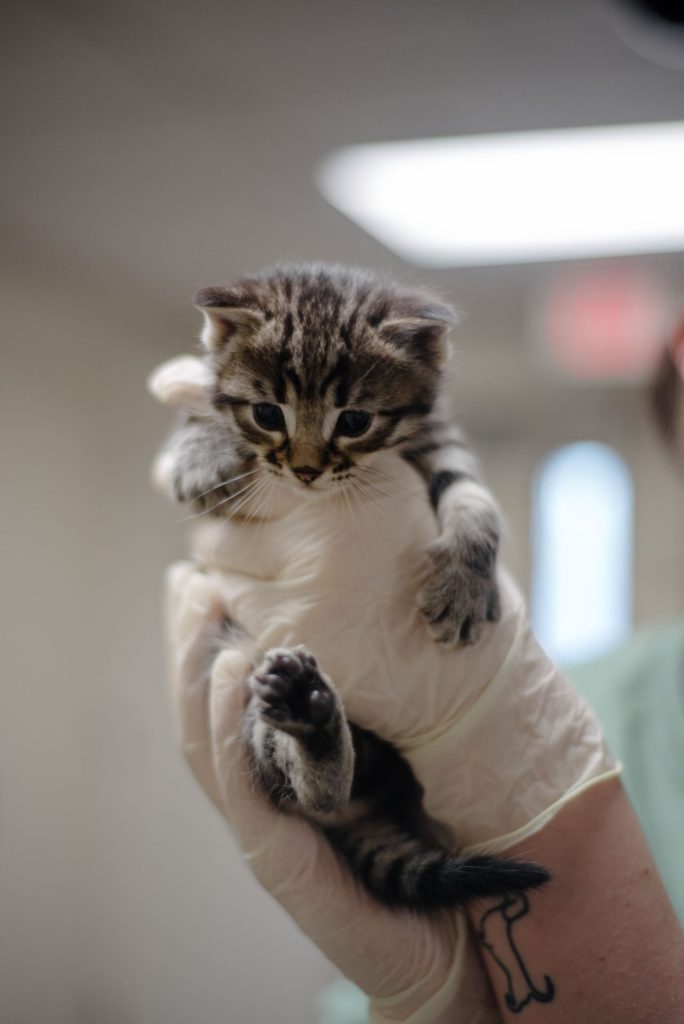
“We prioritize kittens in need of immediate assistance, like those who have been orphaned.”
Coralyn Debow, Admissions Lead
April Through May: Neonatal Kittens Find Foster Homes

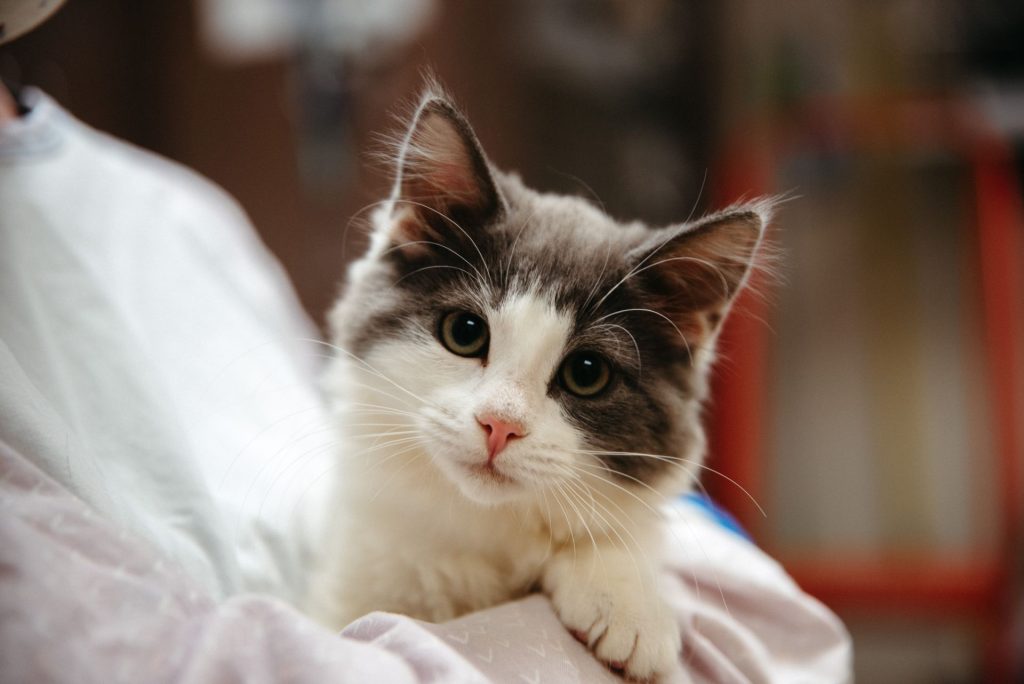
As spring progresses and more kittens are born, we begin to see more neonatal (newborn to five weeks old) babies. For neonates, the first stop is often a foster home. “Outside of Kitten Season, we have maybe 100 to 200 kittens in foster each month. During the season, we can easily have more than 300 in foster homes—sometimes there are more kittens in foster than within our shelters,” says Melanie Silva, Foster Manager.
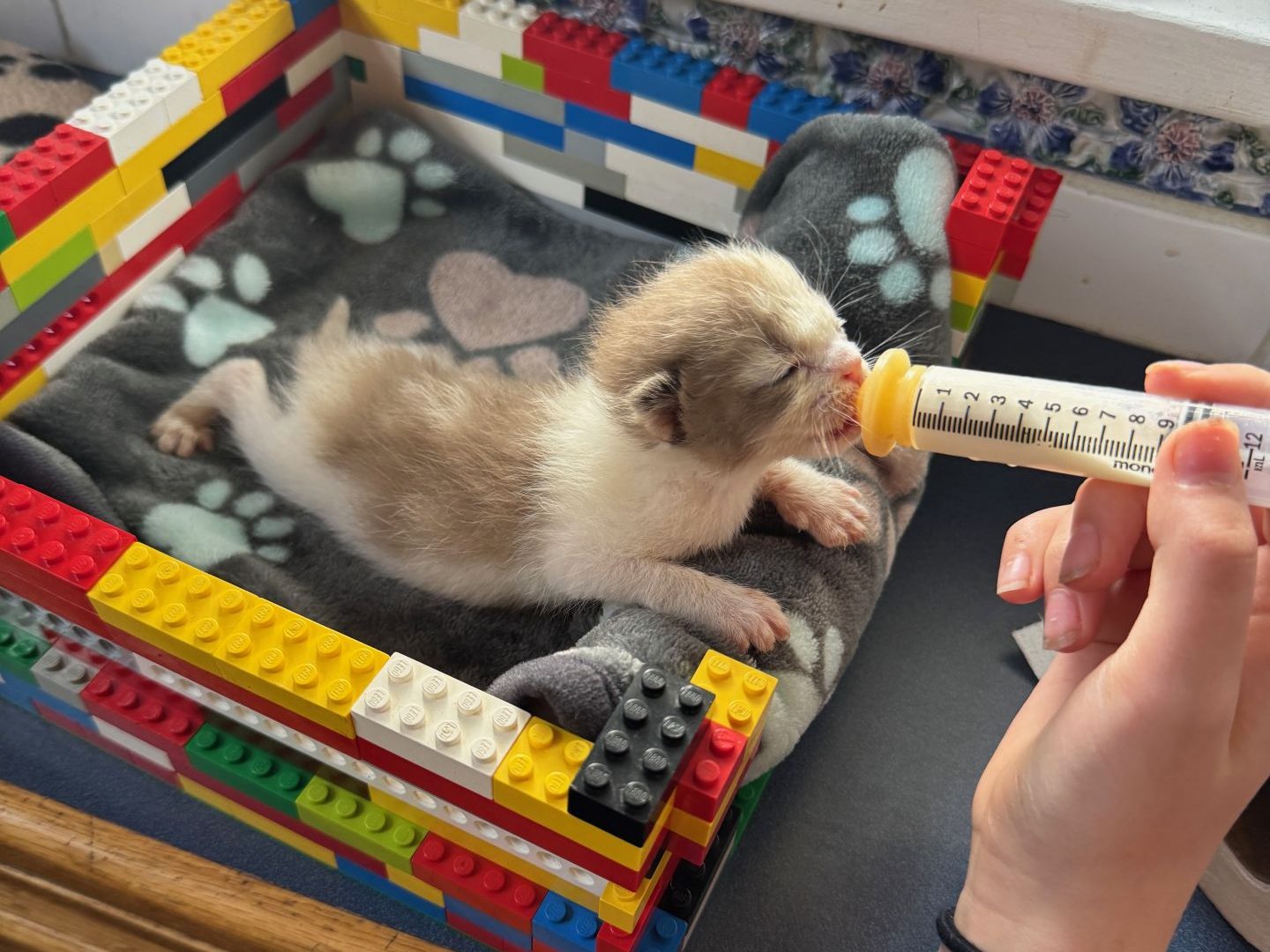
Motherless, neonatal kittens are unable to regulate their body temperature and sugar levels or eat solid food. They require bottle feedings every two to three hours and external sources of warmth just as they would have received from their mother. Due to their demanding care needs, neonatal kittens can’t stay in the shelter overnight. The foster department works closely with the Admissions team to coordinate foster care the moment neonatal kittens arrive.
“One of the trickiest parts of Kitten Season is when we have walk-ins that come in at the end of the day, because we can’t necessarily find late night foster for them. To support these needs, we’ve developed a program where staff members can volunteer to care for them overnight until a more stable placement can be found the following day,” says Melanie.
Once in a foster home, a kitten may stay for eight weeks or more, depending on their age at placement and their growth trajectory. Thanks to our donors, Oregon Humane can provide all the supplies needed for our fosters to care for the kittens for the duration of their stay.
May Through October: Kittens Grow and Receive Medical Care
From neonatal to teenage “cattens,” the health of kittens in our care remains top priority for all teams involved.
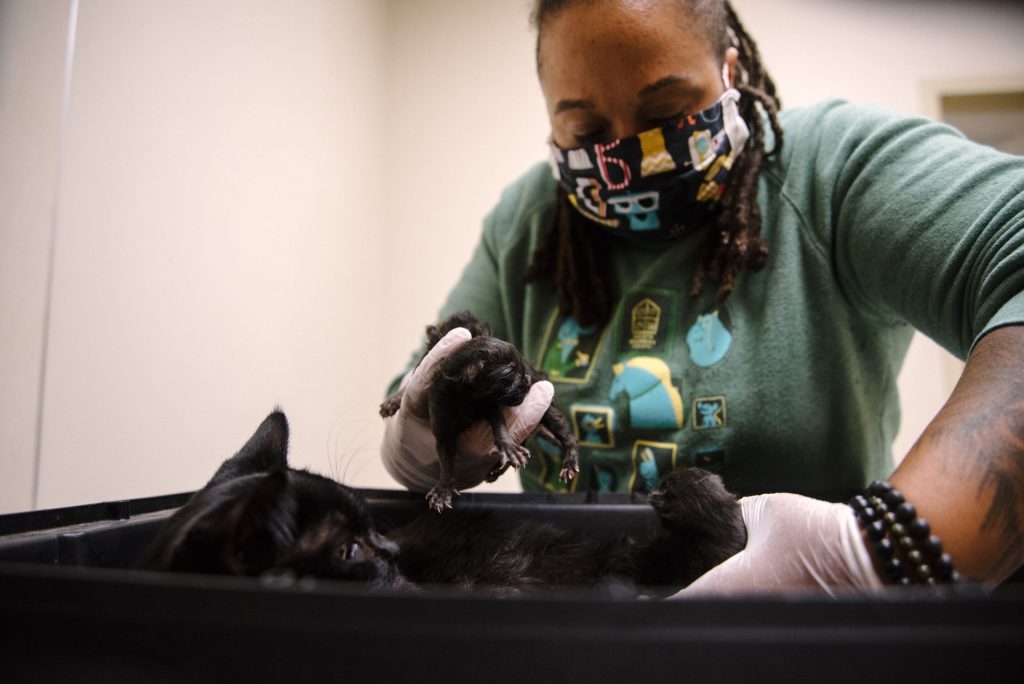
Before kittens go to foster homes, they all receive medical examinations to establish a baseline for care. Because neonatal kittens get placed in foster homes the day they arrive, these exams often happen at a moment’s notice.
“Kittens are fragile and there are a lot of factors that can play into their ability to thrive. Kittens that haven’t been weaned and are without their mom are particularly vulnerable and things can turn bad quickly,” reports Owen Wilken, Director of Shelter Medicine.
Something like loose stools can quickly lead to dehydration and serious medical emergencies. The team sees a notable increase in after-hours concerns from foster families as they navigate caring for these vulnerable babies. An overnight emergency phone line is available for foster volunteers seeking guidance.
The Medical team is also responsible for ensuring all kittens receive spay/neuter surgery when they are at least 8 weeks old and at least two pounds—the first step for adoption availability. To further help reduce pet overpopulation, spay/neuter services are available to the community year-round through the Spay & Save program at our Portland campus and the Community Cat Trap-Neuter-Return program at our Salem campus.
June Through October: Kittens are Ready for Adoption
As kittens become old enough and are deemed healthy enough to receive spay/neuter surgery, those who are in foster homes can relocate to our shelters.
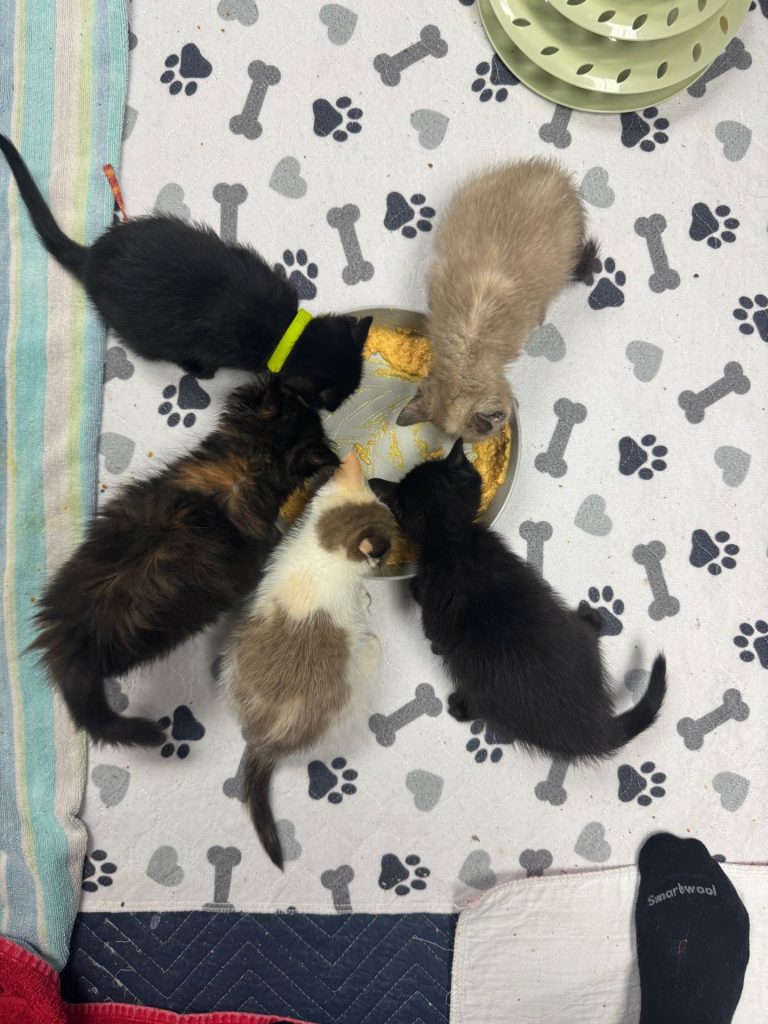
Our Animal Care team is the department charged with the kittens’ daily care—which includes cleaning kennels, providing meals, medication distribution, monitoring well-being, and alerting medical staff when issues arise—a tough job made even more demanding with hundreds of animals on site to care for.
“It is a busy time of the year. More kittens arriving and getting adopted doesn’t mean that our adult cats or dogs and puppies are being overlooked. They’re finding new homes as well, but the influx of kittens adds extra animals into the mix,” says Hobie Pearson, Customer Care and Admissions Manager at our Salem Campus.
Many of the kittens are housed communally, and while that might not mean extra kennels to maintain, Animal Care staff still need to take extra precautions to ensure the cleanliness of the spaces to minimize the threat of illnesses and disease, which can spread quickly.
June Through December: Kittens Find Homes
As summer heats up, adoptions take off. Luckily for the kittens, there are many eager adopters, but this can also mean increased wait times to meet a kitten when visiting the shelter. “We have a lot of interest, and there will often be a line waiting at our doors when we open,” says Julie Griggs, Customer Care Manager at our Portland campus. The heavy adoption period runs well into fall and in some years can last until December.
To further support kittens finding homes, we host offsite adoptions in locations further away from the shelters, bringing kittens to new areas and a wider pool of adopters.
Half a Year of Kittens: Why We Do It
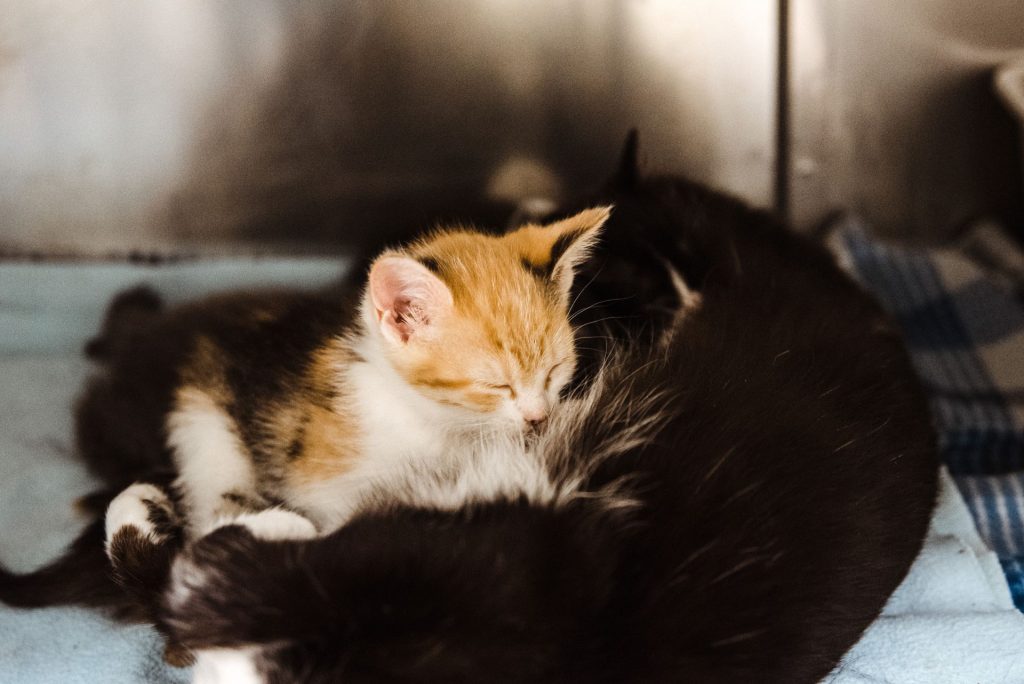
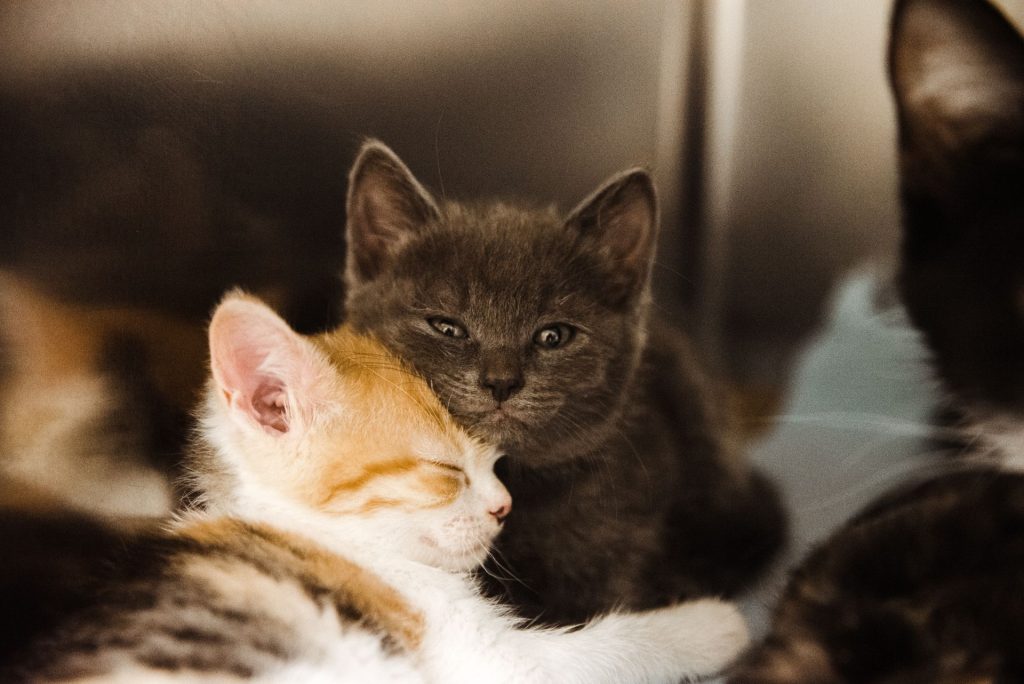
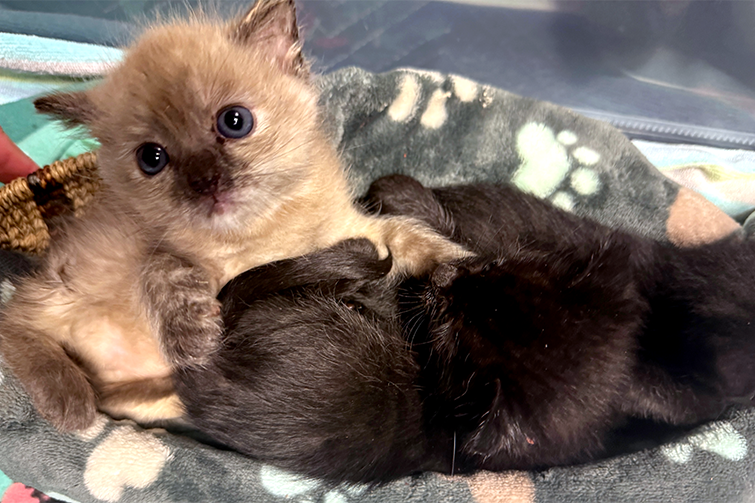
Providing for thousands of kittens for six to eight months—across multiple departments, two campuses, and in partnership with our community and other animal welfare agencies—is an enormous lift that requires all hands, or paws, on deck.
It is difficult but essential for combatting pet overpopulation. The longer stray kittens remain on the street, the less likely they are to ever be socialized. If left unaltered, within six months, females will be pregnant themselves. One unspayed cat can have two to three litters a year and altering even a single cat can make a significant impact.
The coordination between Oregon Humane teams, community members, and partner agencies is a concerted effort to try and stop this cycle—work made possible thanks to the generosity of our donors.
Kitten Season Support
You can help during kitten season by becoming a monthly donor. Consistent gifts from donors like you make it possible for our team to say yes when calls for help appear.